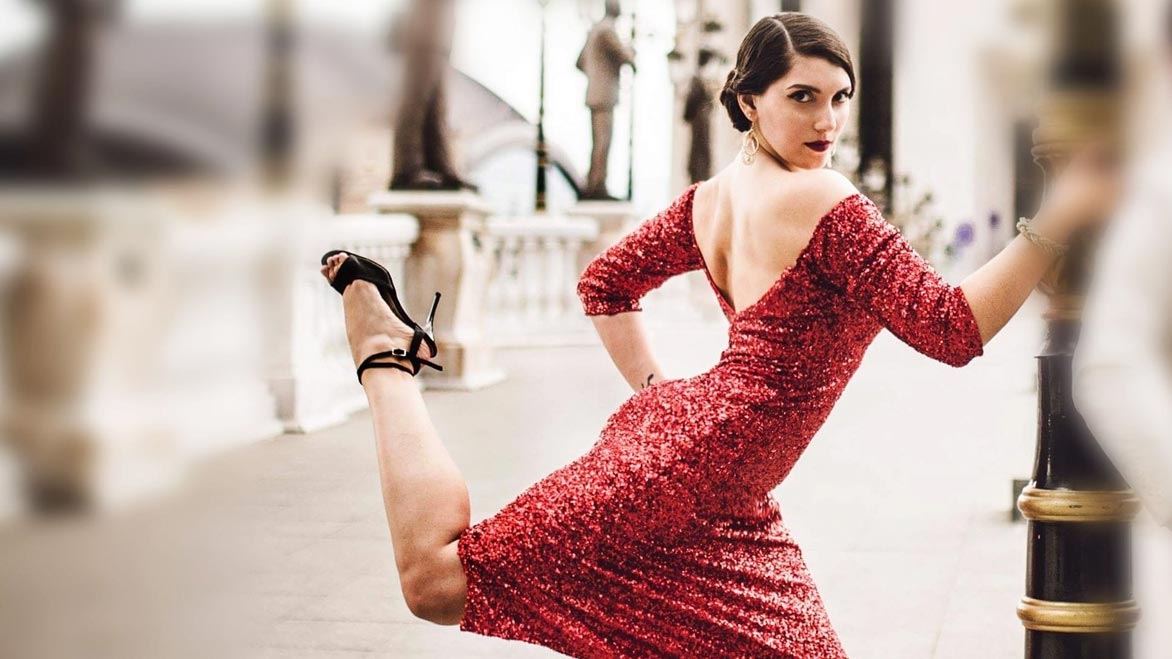
Buying tango shoes can feel surprisingly complicated. At first glance, they seem like just another category of dance shoes. But tango places very specific demands on footwear: you need controlled pivoting, stable balance, close floor contact, clean weight transfer, and enough comfort to stand and dance for hours. A shoe that looks beautiful but fights your axis can ruin your experience, while a less glamorous pair that fits properly can transform how you move.
That is why there is no single “best tango shoe” for everyone. The best pair for a beginner is usually not the same as the best pair for a professional performer or a seasoned milonga regular. Beginners need forgiveness, stability, and comfort. Professionals often prioritize responsiveness, elegance, and shoes that match specific floors, events, or choreography.
This guide explains what to look for when choosing tango shoes, how beginners and professionals should shop differently, and which brands and styles are most often recommended in the tango world.
What makes a good tango shoe
A good tango shoe allows you to pivot smoothly without making you feel unstable. Multiple tango-focused guides emphasize the importance of a thin, relatively flexible sole with the right balance of slip and grip, especially because tango involves turning on the ball of the foot again and again.
Fit is equally important. Beginner and expert advice consistently says tango shoes should feel snug without crushing the foot. They should not flop, slide, or leave your toes scrambling for control, but they also should not force your feet into pain or deep red pressure marks. The right fit helps with floor feel, precision, and confidence.
Support matters too, especially for women dancing in heels and for anyone dancing several hours at a time. Closed heel cages, ankle straps, or a secure “hugged” feeling through the forefoot can make a big difference in how stable the shoe feels. That is one reason many beginner-focused sources recommend practical supportive designs over ultra-fashionable silhouettes.
Best shoes for beginners
If you are new to tango, the main goal is not elegance. It is learning balance, walking, pivoting, and connection without fighting your footwear. Several beginner-oriented sources explicitly recommend lower heels, smoother soles, and secure shapes rather than very high heels or elongated pointed shoes.
For women, one of the clearest recommendations comes from Yuyo Brujo’s updated beginner guide, which suggests court shoes or Mary Janes with a moderate 4 to 6 cm heel as a good starting point. It also recommends thin, flexible, relatively smooth soles and notes that Mary Jane-style straps offer extra security.
Tangonaut’s 2024 fitting guide points in a similar direction, saying that beginners are best served by smaller heels in the 5 to 7 cm range because they offer more stability and reduce strain on the ankles. It also notes that suede or turned leather soles can give beginners more control on tricky floors.
For men, beginner guidance is simpler but no less important. Yuyo Brujo recommends relatively thin, smooth-soled shoes with a rounded toe and secure fit, mentioning classic Oxford or Derby styles with leather soles as a reliable choice. The same source warns against shapes that protrude too far at the front because they raise the risk of toe collisions with a partner.
Not every beginner needs “real” tango shoes immediately. Olympia Tango says beginners can wear any comfortable street shoe that allows easy pivoting, and even mentions sneakers like Puma, Converse, or Toms as workable options. Tangowave similarly recommends trainers or flat shoes that fit closely and are not too stiff for first classes.
That advice is useful because it reduces pressure. If you are just starting, you do not need to buy expensive specialist shoes before your first lesson. You need shoes that let you move safely and learn correctly. Later, once you know your foot shape and tango habits better, you can invest in a dedicated pair.
Best shoes for professionals
Professional and advanced tango dancers usually shop with a different mindset. They already know whether they prefer more grip or more glide, whether they dance mostly on polished wood or mixed surfaces, and whether they need shoes for classes, milongas, festivals, or performance. Their “best” shoe is often the one that matches a specific use case, not a universal everyday model.
For women, professional dancers frequently mention brands such as Regina, Tangolera, Werner Kern or Nueva Epoca, Souple, Bandolera, Madreselva, and Mono when discussing comfort, style, and floor response. A 2024 professional shoe review video from dancer Dagny Miller covers exactly these brands and emphasizes that heel height, ankle support, fit, and personal foot shape all affect whether a premium pair works well.
Comme il Faut also remains one of the most iconic names associated with Argentine tango shoes. Retail and Buenos Aires shopping sources describe the brand as having a strong identity in tango footwear and Buenos Aires nightlife, with a boutique in Recoleta and a long-standing reputation among tangueras looking for elegant, attention-grabbing shoes with proven comfort.
Neo Tango is another recognized Buenos Aires brand, though fit and stability opinions vary. A tango forum discussion comparing it with Comme il Faut says Neo Tango felt less steady for at least one dancer and notes possible sizing differences, which highlights an important truth: once you reach advanced levels, brand reputation matters less than how a specific model behaves on your own foot.
For men, professional shopping tends to focus less on fashion variety and more on sole quality, toe shape, leather structure, and clean design. Leather-soled lace-up models remain the safest advanced choice because they balance elegance with control and adjustability. Men dancing frequently may also want more than one pair to handle different floors and levels of fatigue.
Soles: leather, suede, or street-ready
One of the most overlooked buying decisions is the sole. Tangonaut’s guide breaks this down clearly: smooth leather works well on maintained floors and gives an experienced dancer more floating freedom, while suede or turned leather gives extra control, which can be more beginner-friendly and helpful on older or slippery surfaces.
That distinction is practical rather than theoretical. If you dance mostly in studios or formal milongas with wooden floors, leather may feel ideal once your technique is settled. If you are newer, or if the floors you dance on are inconsistent, suede can make the shoe more forgiving.
Street use matters too. Many tango shoes are not designed for heavy outdoor wear, so some dancers keep them for indoor use only. Beginners who are not ready for a dedicated dance-only pair may do better starting with smooth-soled street shoes that can still handle basic practice.
Women’s buying tips
For beginner women, start lower and more secure. A 4 to 6 cm or 5 to 7 cm heel, an ankle strap or secure heel cage, and a snug forefoot are more useful than a very high stiletto. Closed or semi-closed fronts can also protect toes in class, where foot collisions are common.
As you gain experience, heel height becomes more personal. Some advanced dancers love 8 or 9 cm heels for aesthetics and line, while others prioritize lower heels for long milonga nights. Dagny Miller’s review of her collection shows exactly this point: different pairs serve different tango occasions, and what worked earlier in her dance life no longer suits every need.
Professionals often end up with several pairs because one shoe rarely solves everything. You may want a stable practice pair, a dressier milonga pair, and a performance pair with a different look or sole feel. That is normal at advanced levels, but beginners should not feel they need this kind of rotation.
Men’s buying tips
For beginner men, the safest route is a classic leather-soled Oxford or Derby with a rounded toe and snug fit. This style is versatile, usually works in classes and milongas, and aligns with the advice from tango-specialist sources.
Avoid overly long or sharp toes, because they make precise walking harder and increase the chance of stepping on a partner. Also avoid thick rubber treads if you can, since tango requires controlled pivots rather than sticky traction.
Advanced male dancers may experiment with more specialized tango shoes, but the fundamentals remain the same: stable fit, manageable pivot, clean weight transfer, and enough comfort to dance for long sessions. Unlike women’s tango footwear, men’s options vary more subtly, so material and construction quality often matter more than visual style.
Best-known tango brands
If you want a shortlist of brands commonly associated with tango, current sources most clearly point to these names:
- Comme il Faut, one of the classic Buenos Aires names and still strongly associated with premium women’s tango shoes.
- Neo Tango, another well-known Buenos Aires brand with a long presence in tango shoe shopping guides.
- Tangolera and Werner Kern or Nueva Epoca, frequently mentioned in professional dancer reviews and specialist tango retail listings.
- Regina, Souple, Bandolera, Madreselva, and Mono, all cited in a 2024 professional dancer review as part of a serious tango shoe rotation.
- Darcos, Flabella, Lunatango, Percanta, and 2×4 al Pie, all listed in a Buenos Aires tango shopping guide as established places to buy tango shoes in the city.
This does not mean every dancer should buy the most famous brand available. Brand lists are useful for narrowing the search, but the final decision should still come down to fit, support, and floor compatibility.
How to buy wisely
The best way to buy tango shoes is to test them in motion if possible. Several advanced-dancer sources stress that trying shoes in person is ideal because fit and feel vary enormously by foot shape, ankle strength, and dance goals. What works brilliantly for one dancer may be uncomfortable or unstable for another.
If you are buying your first pair, prioritize functionality over looks. Yuyo Brujo says exactly that, and it is excellent advice. Your first tango shoes should help you learn, not just help you pose.
Finally, think in stages. Beginners do not need elite-performance shoes right away, and professionals should not expect one pair to solve every situation. Start with what your level actually requires, then upgrade as your technique and preferences become more specific.
Best choices by level
For beginners, the best tango shoes are supportive, snug, and modest in heel height, with soles that let you pivot without feeling unsafe. Women should look first at secure 4 to 7 cm options with straps or stable heel construction, while men should start with simple rounded leather-soled shoes or smooth-soled alternatives that allow easy turning.
For professionals, the best tango shoes are the pairs that match your feet, your floor, and your purpose. That often means brands like Comme il Faut, Tangolera, Werner Kern, Regina, or other respected tango labels, but only if the specific model truly works for your body and your dance.
In the end, the best tango shoe is the one that disappears beneath you. When the fit is right, the sole is right, and the support is right, you stop thinking about the shoe and start thinking about the dance.