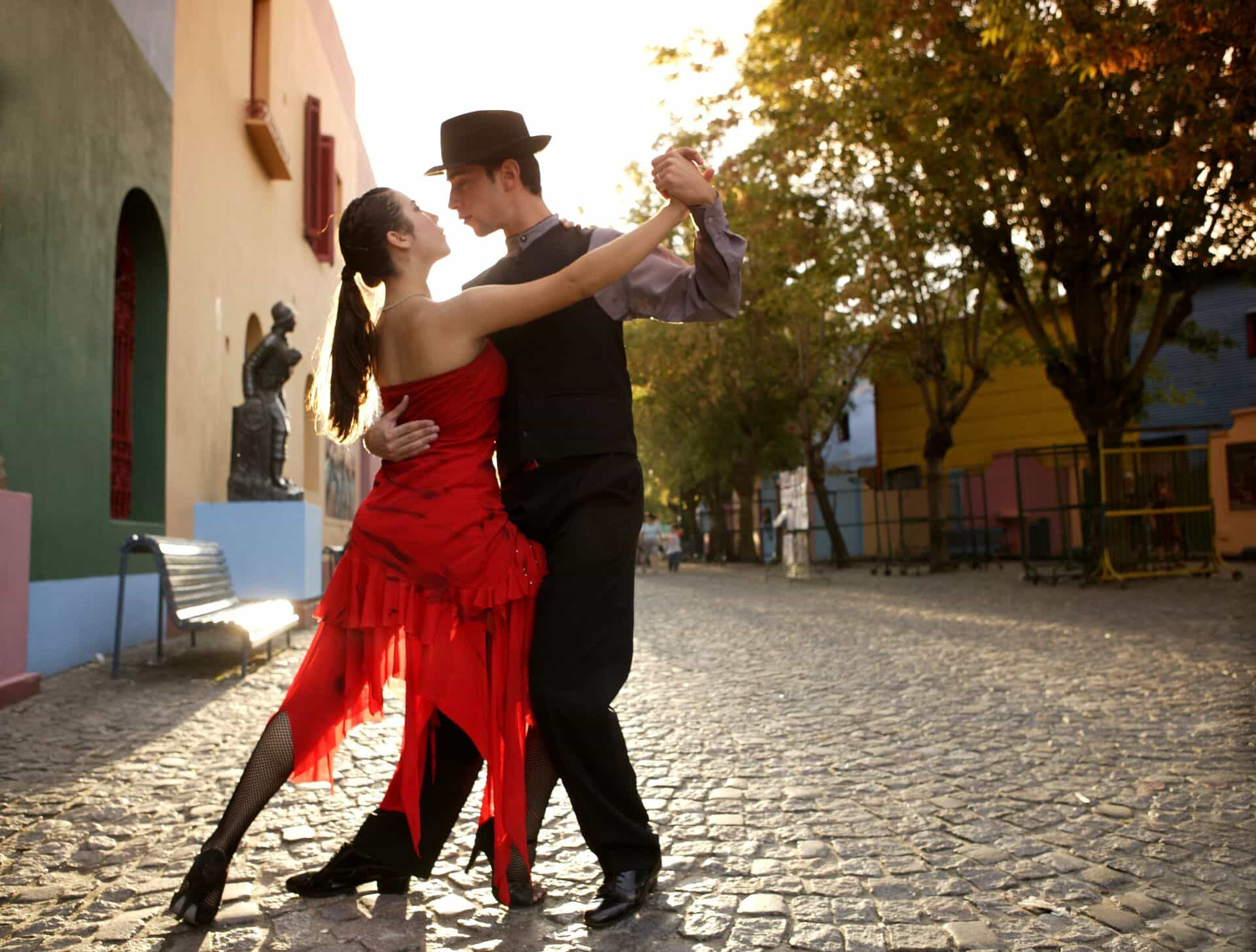
Tango tourism is one of the most distinctive ways to experience Argentina. It goes far beyond watching a stage performance in a glittering theater. For many travelers, tango becomes a whole travel style: staying in historic neighborhoods, taking dance lessons, visiting milongas, learning the music and stories behind the genre, and understanding how one art form came to define the identity of Buenos Aires and the wider Río de la Plata region.
In 2026, tango tourism in Argentina remains strongest in Buenos Aires, but the experience can be shaped in many different ways. Some visitors want one polished dinner show. Others want daily classes, guided nights at local milongas, walking tours of tango landmarks, and even curated multi-day immersion packages built around the dance. The good news is that Argentina offers all of these options, and the best trip is the one that matches your energy level, budget, and curiosity.
The challenge is not finding tango in Argentina. The challenge is understanding the different formats and putting them together intelligently. This guide explains how tango tourism works, what to do, where to go, how much to budget, and how to create a trip that feels richer than a simple tourist checklist.
Why Argentina
Argentina is the natural home of tango tourism because tango is not just a performance product there; it is a cultural ecosystem. The official Argentina tourism site describes tango in Buenos Aires as a phenomenon that goes beyond a typical tune or dance, calling it part of Buenos Aires culture and passion and noting that it has been declared Cultural Heritage of Humanity by UNESCO. It specifically recommends walking through tango neighborhoods, visiting milongas with lessons, and ending the night at shows with live orchestras, singers, dancers, and Argentine dinner.
That recommendation captures the essence of tango tourism. The best experience is layered. You might explore cobbled streets and historic cafés in the afternoon, take a lesson at sunset, and then spend the night at either a polished dinner show or a traditional milonga. This combination of culture, movement, nightlife, and local identity is what makes tango tourism in Argentina feel different from simply attending a dance event in another country.
Buenos Aires is at the center of all this because it offers density. Official city tourism material points visitors toward tango across neighborhoods, events, and venues, and specifically promotes everything from milongas to major annual festival programming. The city does not treat tango as a niche attraction; it treats it as a major part of its identity.
Buenos Aires neighborhoods
To understand tango tourism, you need to understand the city map. Official Argentina travel guidance recommends exploring neighborhoods such as Boedo, Almagro, Abasto, and La Boca, including Caminito and Plaza Dorrego, because these areas are closely tied to tango history and atmosphere.
For travelers, each area offers a slightly different experience. San Telmo is often the easiest entry point because it combines antique markets, street performers, and classic tango ambience in a way that immediately feels cinematic. La Boca is more colorful and photogenic, especially around Caminito, while Abasto and Almagro matter more to people interested in tango’s deeper cultural roots and the local social dance scene.
Puerto Madero, by contrast, is not a historic tango neighborhood in the traditional sense, but it matters for higher-end tango tourism because it hosts luxury-style dinner shows and upscale dining. Palermo is another useful base because many students stay there for its cafés, bars, transport links, and access to classes or nightlife.
The smart approach is to choose accommodation based on your priorities. If you want atmosphere and walkable history, San Telmo is a strong base. If you want comfort and modern dining, Puerto Madero works well. If you want nightlife, cafés, and flexibility, Palermo is often the easiest choice.
The main tango experiences
Tango tourism in Argentina usually includes four core experiences: shows, lessons, milongas, and tango-themed tours. Each gives you a different angle on the culture, and the richest trips combine at least two or three of them.
Tango shows
The easiest place to start is with a tango show. Buenos Aires has classic dinner-and-show venues, smaller cabaret-style performances, and premium productions aimed at luxury travelers. Current 2026 pricing guidance says dinner shows in Buenos Aires generally range from about $70 to $150 per person, usually including multi-course meals, professional performances, and often hotel transfers.
Shows are ideal for first-time visitors because they require no prior knowledge and deliver a polished, high-impact introduction to the dance. They also fit well into a broader city itinerary, especially if you only have one or two nights to dedicate to tango.
Tango lessons
Lessons are the next step for travelers who want to participate rather than just observe. Current travel pages and booking listings show a wide range of options, from group classes around $25 to private lessons from about $39, with more elaborate class-plus-milonga or class-plus-show combinations costing more.
A lesson changes your understanding of tango immediately. Even a short beginner class teaches you how subtle the dance really is, especially in terms of posture, walking, balance, and connection. For many travelers, that one hour of physical experience makes the evening show much more meaningful afterward.
Milongas
Milongas are the social heart of tango tourism. They are not formal stage performances but gatherings where people dance socially, often after a class or with some form of live or DJ-led music. Official tourism material specifically encourages visiting milongas in cafés, clubs, and even parks across Buenos Aires neighborhoods.
For tourists, milongas can be the most memorable and the most intimidating part of the trip. That is why guided milonga experiences are increasingly popular. Current offerings include traditional milonga tours with English-speaking dance-professional guides, reserved tables, optional lessons, and sometimes dinner or live-show elements built into the evening.
Tango history tours
A fourth, often underrated, part of tango tourism is the historical side. Buenos Aires has walking tours focused on tango history, and current traveler listings describe these as guided experiences with expert interpretation of the city’s tango past. There are also museum-style resources such as the World Tango Museum noted in tourist guides.
These tours matter because tango becomes much richer when you understand who Gardel was, why certain neighborhoods matter, and how music, migration, poetry, and nightlife all shaped the dance. For culturally curious travelers, a tango history walk can be just as valuable as a dance lesson.
Festivals and special trips
If you want tango to shape your entire trip, festivals and immersion tours are the best option. Official Argentina tourism guidance recommends the World Tango Dance Championship and Festival in August, while current 2026 travel listings also show organized tango journeys built around city touring, lessons, milongas, and major events like CITA.
This is where tango tourism becomes more than a sightseeing add-on. A multi-day tango package can include classes with respected teachers, reserved seating at milongas, guided city tours, concerts, wine experiences, and support from local hosts. One December 2026 Buenos Aires tango trip, for example, promotes up to six lessons, up to seven milongas, tango shows, guided tours, and even extras like SIM cards and currency exchange support.
These packages are especially attractive for travelers who want convenience and depth at the same time. Instead of researching every teacher, venue, and neighborhood independently, you join a curated experience and let local organizers shape the week. That can be a very efficient approach, especially if tango is the main reason for visiting Argentina.
How much to budget
Tango tourism can be done on many budgets. At the affordable end, you can take a group class for around $25, attend selected milongas, and choose a more modest show or show-only ticket. Current sources suggest private lessons start around $39, while premium lesson packages or guided milonga experiences can rise toward $140 or more.
Dinner shows sit in the middle to upper range, with 2026 estimates around $70 to $150 per person depending on venue and inclusions. Luxury experiences cost more, especially if they include gourmet dining, private transfers, or VIP seating.
The smartest strategy is to spend selectively. Many travelers get the best value by combining one high-quality show, one lesson, and one milonga night rather than trying to book premium packages every evening. That gives you both spectacle and authenticity without overspending.
Practical tips
The first rule of tango tourism in Argentina is to pace yourself. Tango nightlife runs late, and even guided milonga experiences can last more than five hours. If you book a class, dinner, and social dance all in one night, be realistic about your energy.
Second, understand the difference between a tango show and a milonga. A show is designed for spectators, while a milonga is a social event with its own etiquette and flow. Treating them as separate experiences will help you appreciate both.
Third, use neighborhoods strategically. Daytime is ideal for San Telmo, Caminito, cafés, museums, and walking tours, while evening can be reserved for lessons, dinner shows, or milongas depending on your comfort level. This simple structure makes a tango-focused itinerary feel smooth instead of chaotic.
Finally, remember that not all tango tourism needs to happen in one intense burst. A three-day immersion can work well, but so can a longer city stay with tango woven between museums, food, football, and architecture. Buenos Aires is a strong tango destination precisely because it supports both approaches.
Best itinerary style
For most travelers, the ideal tango trip in Argentina looks something like this. On the first day, explore San Telmo or La Boca and book a classic dinner show for the evening. On the second day, take a tango class and then visit a milonga, ideally with a guide or after a venue-based introductory lesson. On the third day, add a history walk, a museum-style stop, or a festival event if the timing matches.
That structure works because it moves from passive to active experience. You begin by watching, then try dancing, then start to understand the cultural context. It is a far more satisfying way to experience tango than booking a single flashy show and assuming you have seen the full picture.
In 2026, tango tourism in Argentina remains one of the richest cultural travel niches in Latin America because it combines nightlife, music, dance, gastronomy, and urban identity in a way few destinations can match. If you approach it as a layered journey rather than a one-night activity, Argentina gives you something much more valuable than entertainment: it lets you feel, even briefly, how tango lives.